Comfort Everest Base Camp Trek – Trip Description
The Comfort Everest Base Camp Trek offers the perfect blend of adventure and convenience for travelers seeking the iconic Everest experience without compromising on comfort. Trek through the breathtaking Khumbu region, visit traditional Sherpa villages, cross suspension bridges, and enjoy spectacular views of Mount Everest, Lhotse, and Ama Dablam. This trek features comfortable lodges with private rooms, warm showers, and quality meals at key stops, making it ideal for trekkers who want a safe and enjoyable journey at a relaxed pace. Experience the classic Everest Base Camp adventure with added comfort and support for a memorable Himalayan journey.
Comfort Everest Base Camp Trek is complete trekking package with necessary acclimatization (rest day) in high altitude to avoide the AMS and success the trekking up to the Kalapathar in risk free way. It's a comfortable trekking suitable for all types of trekkers.
Comfort Everest Base Camp Trek – Trip Highlights
- Dramatic take on/off in Lukla gateway to Everest Base Camp
- 20+ years experienced local guide and porter
- 5 nights attached bathroom with hot shower
- Acute Mountain Sickness friendly itinerary
- Sherpa Culture and tradition
- High suspension Hanging Bridges
- Tibetan Buddhism and practice
- 2 rest and acclimatization days before conquer Everest Base Camp
- Closure view of Himalayas en-route to Everest Base Camp and return
- Highest Base camp of highest Mountain (roof of the world)
- Breathtaking view of Mount Everest Sunrise and Sun set from Kala Pathar
- Comfortable Accommodation and hygiene meals everyday
Kathmandu and Trek Preparation
MMT offers numerous packages under Everest Region Trekking as per the appetite, budget and time schedule of the trekkers. Trekking in the Himalayas is an adventurous and especial experience which pleases the heart and soul of the trekkers till eternity therefore the figure of the trekkers trekking to the Everest Base Camp is statistically surmounting year in year out.
Comfort Everest Base Camp Trek package is altogether 16 days trek which is specially designed for the comfort of the trekkers. This trek is slightly different from Classic Everest Base Camp as it follows the alternative route from Namche to Phortse and Dingboche. This package is the best option for the adventure lovers who prefer comfort and have longer vacation. This comfort package is applicable for all the trekkers who have average physical fitness and extreme enthusiasm.
The comfort EBC Trek officially begins with a cordial reception at Tribhuvan International Airport (TIA) by one of the representatives of MMT. After providing brief details about the Trek by the Expert in MMT office, you will be transferred to the 3 Star hotel of Kathmandu.
Next day is marked as the city excursion. The expert city tour guide will lead you to the two renowned cities: Kathmandu, the city of Temples, and Patan, the city of fine arts. The excursion mainly offers the visit to Swayambhunath, Patan Durbar Square, Boddhanatha and Pashupatinath; the famous UNESCO enlisted world heritage sites in Nepal.
The Trek from Kathmandu (1,300m) to Everest Base Camp (5,364m) begins from TIA with 30-40 minutes flight offering the heart pounding scenic mountain flight experience before it lands at Lukla airport. The airport is the highest elevated commercial airport in Nepal and is also one of the most dangerous airports in the world with just a single runway on a cliff.
Lukla-Namche: Comfort Zone
At Lukla, trekkers have to pay for the entrance card to get the permission of the further trek in the mythical land of the Himalayas. The guides offer the to-do and not-to-do list in the Himalayas which every trekker needs to acknowledge. The nature and culture of the Everest region is pristine; and as mentioned in the entrance card, trekkers shouldn’t breach the natural law and must behave in ecofriendly manner.
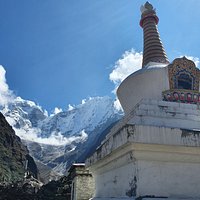
The trail from Lukla descends to the Sherpa village Cheplung which offers the sparkling view of Mt Khumbila (5,761m) before ascending to the ridge of the village Ghat. As the trail continues to Phakding, it offers the natural, cultural and architectural delicacy of the Everest region through rhododendron forest, Snowcapped peak, roaring milky river, monasteries, prayer wheels, inscribed Mani walls, stupas. Phakding is the foremost stop of the trek where one can enjoy amiable hospitality.
After enjoying cozy accommodation at Phakding, the next day trail traces through suspension bridges and dense forest of Sagarmatha National park offering the introductory view of Kongde Ri (6,187m) before the trail come across the villages Zamfute, Benkar, Chhamuwa and Monjo. Monjo is the entrance point of Sagarmatha National Park where Entrance card and National Park Permit card will be checked before granting permission to trek in Everest region. Sagarmatha National Park is the highest elevated national park of Nepal which was enlisted in UNESCO world heritage sites in 1979.
Through Sagarmatha National Park, the trail continues to Namche, the largest commercial tourist hub in the Everest region which serves the trekkers with all the modern amenities like ATM, Pub, internet, ISD phones, lodges, restaurants. Namche is famous for the delicious national and international cuisine and beverages. Enjoy the food and explore the Bazaar. The scenery, cerulean landscape, tantalizing snowy massif is also the center of attraction of Namche. Trekking in the Himalayas is a heavenly experience however there is always risk of AMS while elevating at the higher elevation. The trekkers must be aware of AMS and should avoid unhygienic food and alcoholic beverages.
The experts recommend one or two days of acclimatization at Namche which helps trekkers to maintain oxygen intake and physical fitness. Acclimatization day is specially scheduled for short side trip to the villages Khumjung, Kunde and Syangboche. The trail from Namche to Khumjung offers Everest View Hotel, one of the highest elevated hotels in the world which is the blessing for the magnificent vista of gleaming peaks: Mt. Khumbila (5,761m), Mt. Thamserku (6,623m), Mt. Everest (8,848m), Lhotse (8,516m) and Ama Dablam (6,812m).
After taking short tea break at Everest view hotel, the trail continues towards the villages Khumjung and Kunde which are popular for the Khumjung Hillary School, and Kunde Hilliary hospital one of the oldest schools and hospitals in Everest region. The school and hospital were established by the well-known mountaineer Sir Edmund Hillary back in 1961 and 1966 respectively. The trail after Kunde follows downward the village Syangboche which is famous for the Syangboche airstrip. The airstrip is a non-commercial situated at highest elevation and has unpaved runway. From the runway, Namche seems stunning and a pleasant village.
Thin Air
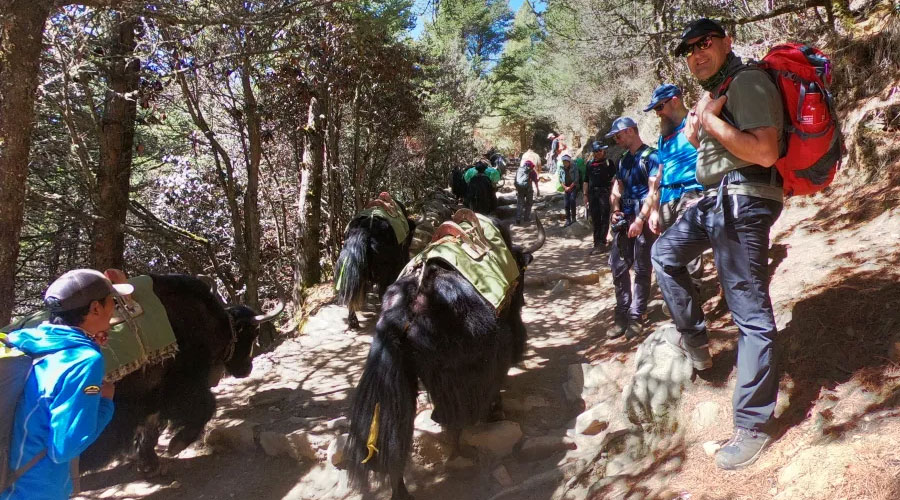
The comfort EBC trail takes an alternative route from Namche to Phortse and Dengboche. The trail offers the magnificent introductory view of Ama Dablam, Lhotse shar, Taboche, Kangtega and Thamserku before the trail traces the village Khyangjuma. As the trail inclines, it pauses at Sanasa village, a fork from where the path links up with the alternative route which isn’t normally travelled by EBC trekkers. After ascending from Sanasa to Mong La ridge and Phortse Thanga, the trail drops downward the beautiful terraced village Phortse. The trekking route offers sparkling massif, countless monasteries, Mani wheels, even animals like: Pheasant, Himalayan Thar, Musk deer, Yaks, etc.
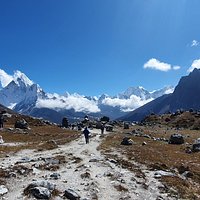
The route from Phortse to Dingboche is long and steep which can tire the limbs of the trekkers; but, the magnificent glimpse of snow-capped Ama Dablam, holy monasteries, barley, potatoes and buckwheat field, aspire the trekkers to march ahead. The trail connects the beautiful Sherpa villages like: Pangboche, Somare, Orsho and eventually Dingboche. While passing through the villages, the trekkers enjoy the tranquil nature, dazzling mountains, and green rolling hills.
Wandering in the land of the Himalayas is a jocund feeling, but the risk of Acute Mountain Sickness always haunt the trekkers while ascending in the higher altitude. To avoid AMS, Dingboche is the final acclimatization stop. On the acclimatization day, a short side trek to Nangkartshang Peak offers the fascinating view of numerous peaks including Makalau, Island Peak, Ama Dablam and Lhotse. The Nangkartshang Gompa on the way greets the trekkers with its cultural and historical elegance.
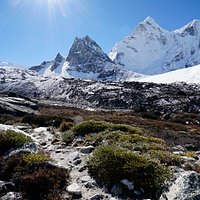
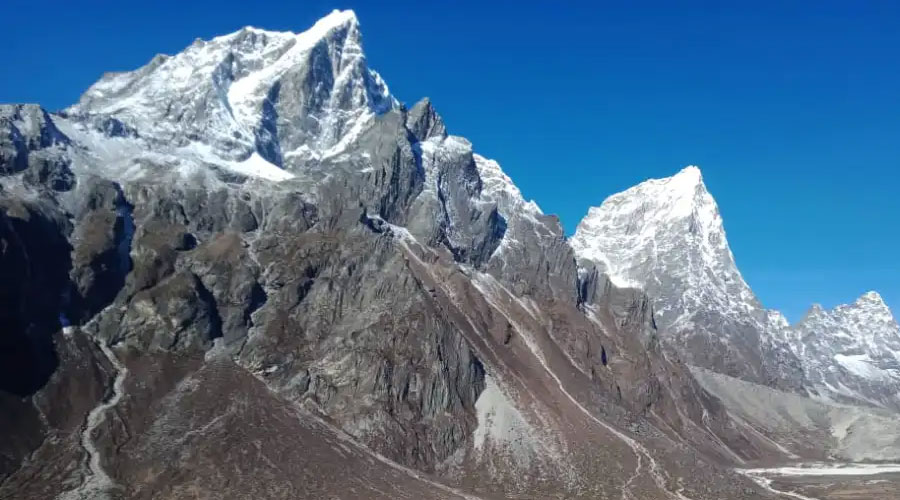
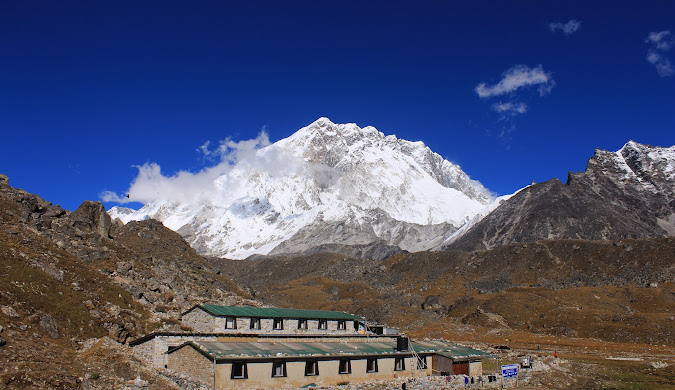
As the trail ascends to higher elevation, the trails are steep, full of boulders, and have risk of AMS. The trail from Dingboche ascends further to the village Dusa and comes at a fork Dughla which marches towards Lobuche through Thokla Pass. The trail to Lobuche offers prodigious view of Taboche (6,367m), Cholatse peak (6,335m) and also the splendid glimpse of Khumbu glacier, climbers’ memorial tombstones, Lobuche Kharka (yak farm) and Awi peak.
Everest Base Camp and Kala Pathar
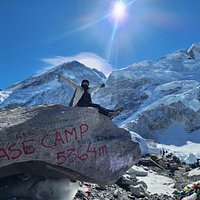
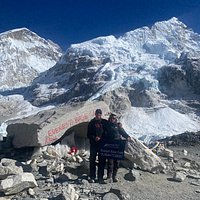
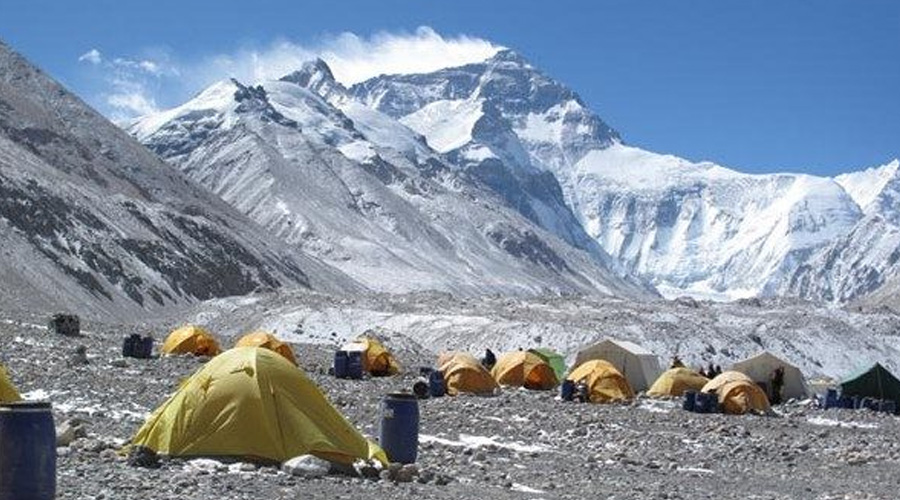
Trekking in Everest region is awe-inspiring yet the steep route and frequent climate change may hinder the journey. The trail from Lobuche gradually ascends through moraine glacier, sand pit and boulders along Imja river while heading towards Gorakshep. The last human settlement in Himalayan region serves the trekkers with internet access and cozy accommodation. It is a platform to ascend Everest Base Camp (5,364m/17,600ft) or Kala Patthar Summit (5,643m). Trekkers feel gratitude and blessed for the perfect scenery of Khumbu ice fall and Nuptse (7,861m) once they reach at EBC. Relive the moment, Enjoy the most precious time at EBC and celebrate your triumph by singing dancing and capturing photos.
The optimum highlight of the EBC trek is short trip to Kala Patthar summit in the early morning for the sparkling sunrise over Mt. Everest. The Mt. Everest is completely hidden and can’t be perceived from EBC that is why the trip to Kala Patthar is so rewarding as it offers the 360-degree view of Himalayan range and panoramic landscape. After spending some wonderful time at the peak, the trail drops down to Gorakshep where trekkers devour their breakfast before the trail descends towards the village Pheriche. Eventually, the trail descends down to Namche and then Lukla following the same route for the thrilling morning flight to Kathmandu.